



UK Disability History Month
Celebrating Disability History, Rights and Inclusion
From 19th November to 29th December, the UK marks Disability History Month, an annual opportunity to celebrate the achievements and contributions of disabled people, recognise the progress made towards greater equality, and reflect on the importance of creating an inclusive society for everyone.
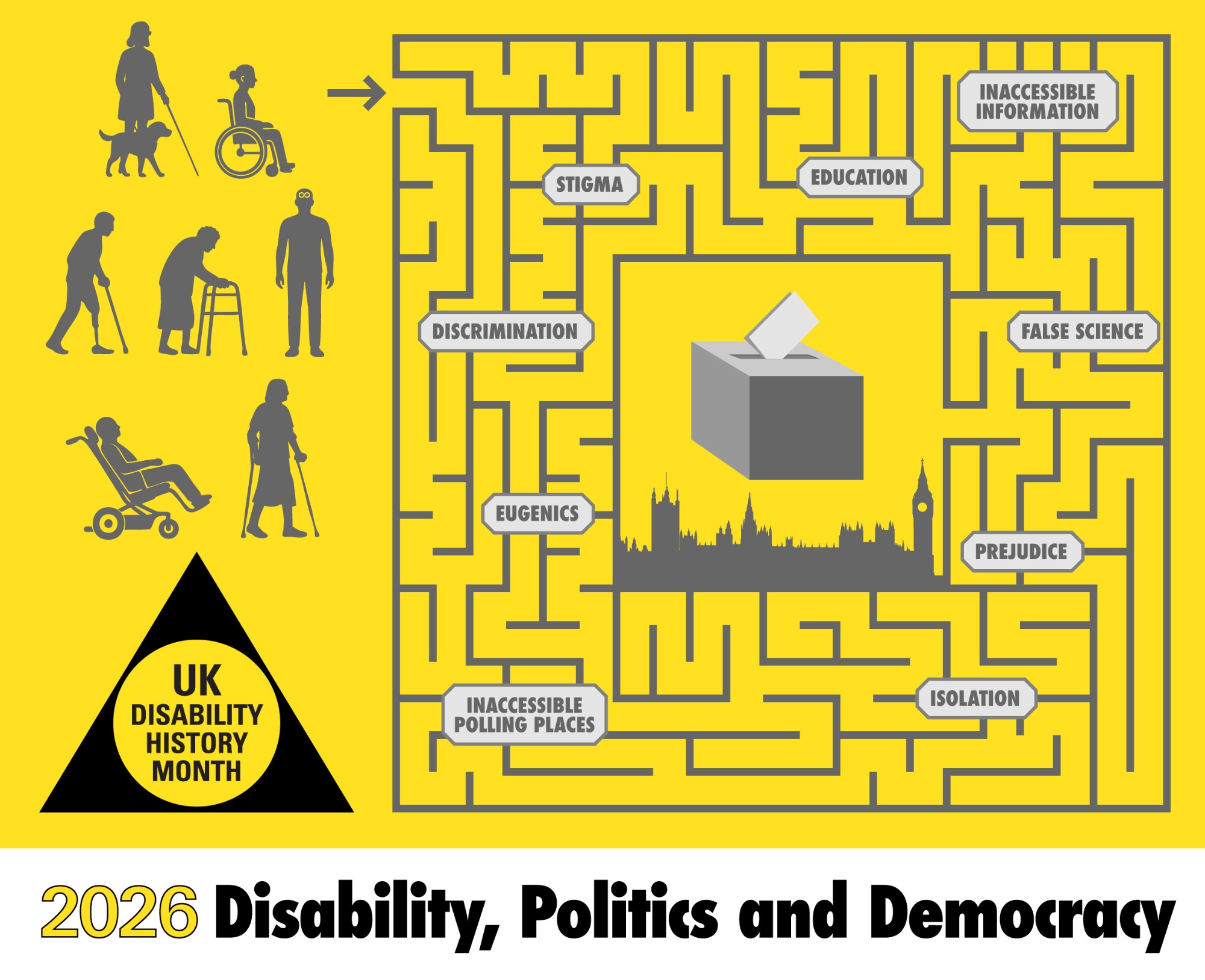
The month highlights the experiences of disabled people throughout history and today, while encouraging greater understanding of disability, accessibility and inclusion. It is an opportunity to challenge misconceptions, raise awareness of the barriers that some individuals continue to face, and recognise the positive impact that disabled people make across all areas of society.
At our Trust, we are committed to creating welcoming and inclusive environments where every student, colleague and family feels valued, respected and supported. Disability History Month provides an opportunity to learn more about disability rights, understand different lived experiences and consider how we can continue to foster a culture of belonging across our school communities.
To support further learning and discussion, we have gathered a range of resources for staff, parents and carers to explore. These resources provide information about disability history, inclusion, accessibility and the ongoing work to create a more equitable society.
We encourage our community to take some time to explore the materials and reflect on how we can all contribute to building environments where everyone has the opportunity to thrive.
Conversation Starters at Home
Disability History Month can be a great opportunity to talk with children about:
- Why everyone experiences the world differently.
- The importance of treating people with kindness and respect.
- How accessibility helps everyone participate fully.
- Why differences should be celebrated rather than seen as barriers.
- The achievements and contributions of disabled people throughout history and today.
uk disability history month 2026 - useful links & resources
- Disability in Ancient Greece, Egypt and Macedonia – UK Disability History Month
- Your Story, Our History: Disability History Month – UK Parliament, November 2020
- Disability - Social groupings - WJEC - GCSE Physical Education Revision - WJEC - BBC Bitesize
- Home Page | Disability Rights UK
- Home | Disability charity Scope UK
- The Collection – National Disability Arts Collection & Archive
- Disability allyship: Seven types of allies. BBC Teach - KS1 and KS2 Primary PE. Ages 5-11. - BBC Teach
- ParalympicsGB
youtube videos to watch and listen
Family Films That Explore Disability and Inclusion
Films can be a powerful way to start conversations about disability, inclusion and understanding. The following family-friendly recommendations feature disabled characters, explore different experiences, or promote messages of acceptance, belonging and resilience.
For Younger Children
Finding Nemo (U) A much-loved story that introduces themes of difference, confidence and independence through Nemo's "lucky fin".
Finding Dory (U) Explores memory difficulties, perseverance and the importance of support from family and friends.
Lilo & Stitch (U) A heartwarming story about acceptance, belonging and embracing differences.
Encanto (PG) Encourages children to value people for who they are rather than what they can do, with strong messages about inclusion and understanding.
How to Train Your Dragon (PG) Challenges perceptions of what makes someone successful and explores themes of resilience and acceptance.
For Older Children and Families
Wonder (PG) Based on the bestselling novel, this inspiring film follows Auggie, a boy with a facial difference, as he starts school and navigates friendship, kindness and belonging.
Out of My Mind (PG) A moving story about a young girl with cerebral palsy whose abilities are often underestimated by those around her.
The Peanut Butter Falcon (12) A feel-good adventure starring Zack Gottsagen, an actor with Down's syndrome, celebrating determination, independence and friendship.
Short Films
Loop A Disney Pixar SparkShort about communication, friendship and understanding between a verbal boy and a non-verbal autistic girl.
Float A touching animated short inspired by the creator's autistic son that explores acceptance, inclusion and celebrating differences.
Family-Friendly Disability History and Inclusion Documentaries
Rising Phoenix (12)
This powerful documentary tells the story of the Paralympic movement, exploring how it grew from a rehabilitation programme for injured veterans into one of the world's biggest sporting events. Featuring Paralympians from around the world, it combines disability history with inspiring personal stories.
Best for: Older primary pupils, secondary pupils, parents and carers.
Richard Whitehead: Chasing Tokyo
Follows British Paralympian Richard Whitehead as he prepares for the Tokyo Paralympics.
The documentary explores disability, resilience and achievement while providing insight into life as an elite athlete. Best for: Key Stage 2 and above.
The Specials (2019) (PG equivalent)
While technically a drama rather than a documentary, it is based on the real-life work of two people who created support services for autistic young people in France.
The film promotes understanding, inclusion and acceptance. Best for: Families with older children.
The Reason I Jump (12A)
Based on the bestselling book by Naoki Higashida, a non-speaking autistic author.
Through the stories of autistic young people from around the world, the documentary helps viewers better understand different ways of communicating and experiencing the world. Best for: Secondary-aged children and adults.
A World Without Down's Syndrome? (BBC)
Presented by Sally Phillips, whose son has Down's syndrome.
This thoughtful documentary explores attitudes towards disability, inclusion and society's understanding of people with Down's syndrome. Best for: Older children, teenagers and adults.
Inside Our Autistic Minds (BBC)
Presented by Chris Packham, this accessible documentary helps viewers understand how autistic people experience the world. Best for: Upper Key Stage 2, secondary pupils and families.
Paralympic Stories (Channel 4)
Channel 4 has produced a number of short documentaries featuring Paralympic athletes and disabled role models. Best for: All ages.
Books to Read Together: Celebrating Difference and Inclusion
Reading stories featuring disabled characters can help children develop empathy, understanding and respect for others while exploring different experiences and perspectives.
Early Years & Key Stage 1
My Brother Otto by Meg Raby
A beautifully illustrated story about an autistic child and his sister, celebrating different ways of communicating and experiencing the world.
All Are Welcome by Alexandra Penfold
A reassuring picture book that celebrates diversity, belonging and inclusion in schools and communities.
The Girl Who Thought in Pictures: The Story of Dr Temple Grandin by Julia Finley Mosca
An inspiring introduction to the life of Temple Grandin, helping children understand autism and the strengths that come from thinking differently.
Just Ask! Be Different, Be Brave, Be You by Sonia Sotomayor
Explores a range of disabilities and health conditions through relatable characters and encourages children to ask questions and learn from one another.
Key Stage 2
Wonder by R. J. Palacio
A modern children's classic following Auggie Pullman, a boy with a facial difference, as he navigates school, friendships and belonging.
A Kind of Spark by Elle McNicoll
An award-winning novel featuring an autistic main character who campaigns to remember women accused during historical witch trials. A powerful story about inclusion, understanding and finding your voice.
Can You See Me? by Libby Scott and Rebecca Westcott
Written with input from autistic teenager Libby Scott, this story follows Tally as she starts secondary school and helps readers understand the experiences of autistic young people.
The Goldfish Boy by Lisa Thompson
A mystery story featuring a boy with obsessive-compulsive disorder (OCD), encouraging understanding of mental health and neurodiversity.
Key Stage 3 & Young Adults
Show Us Who You Are by Elle McNicoll
A thoughtful novel exploring autism, friendship and technology from the perspective of an autistic protagonist.
The Reason I Jump by Naoki Higashida
Written by a non-speaking autistic teenager, offering valuable insight into autism and communication.
El Deafo by Cece Bell
A graphic novel memoir about growing up with hearing loss, told with humour, honesty and warmth.
Planet Earth Is Blue by Nicole Panteleakos
A moving story told from the perspective of a non-speaking autistic girl during the space shuttle era.